
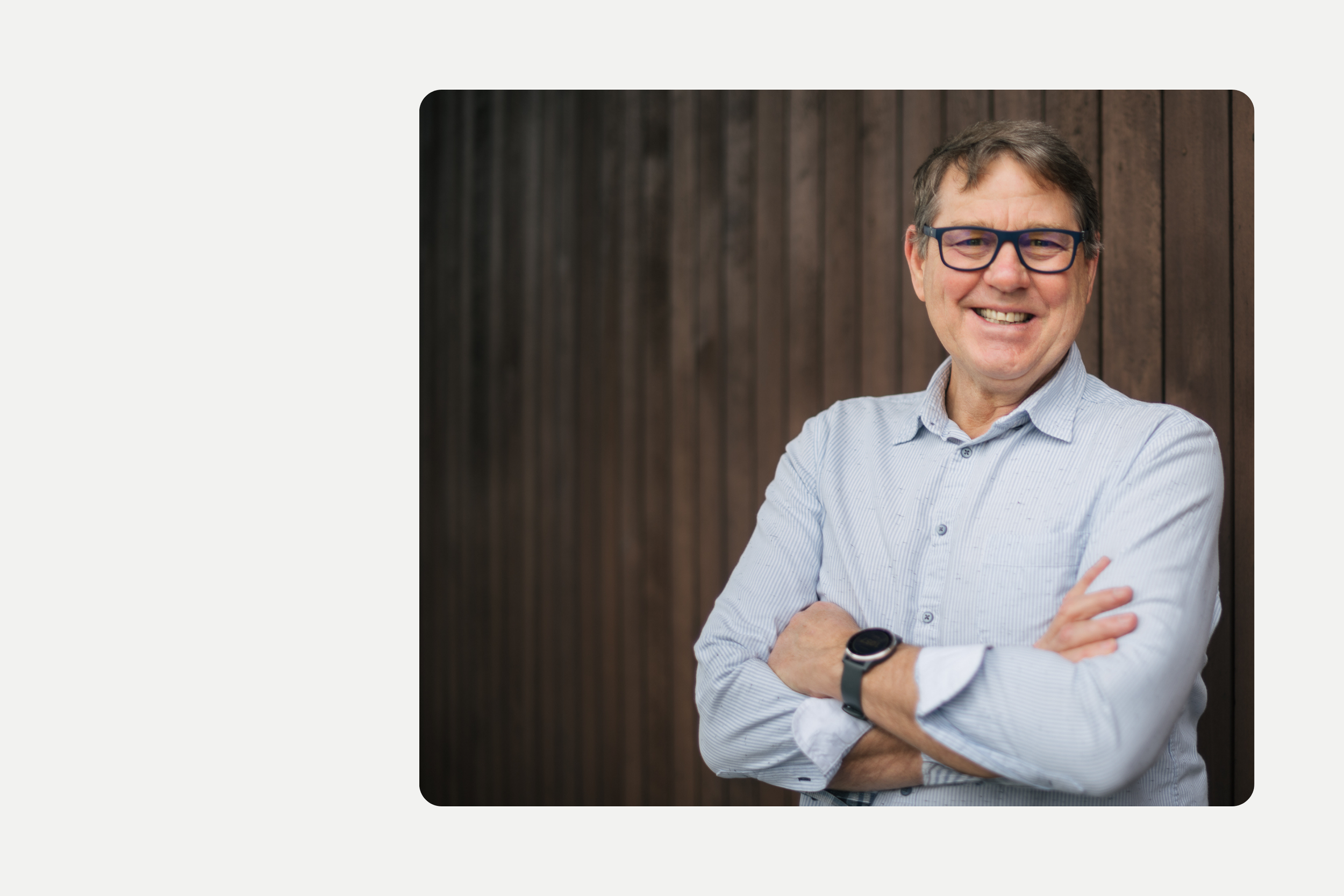
Written by a former colleague, an admirer, and a friend
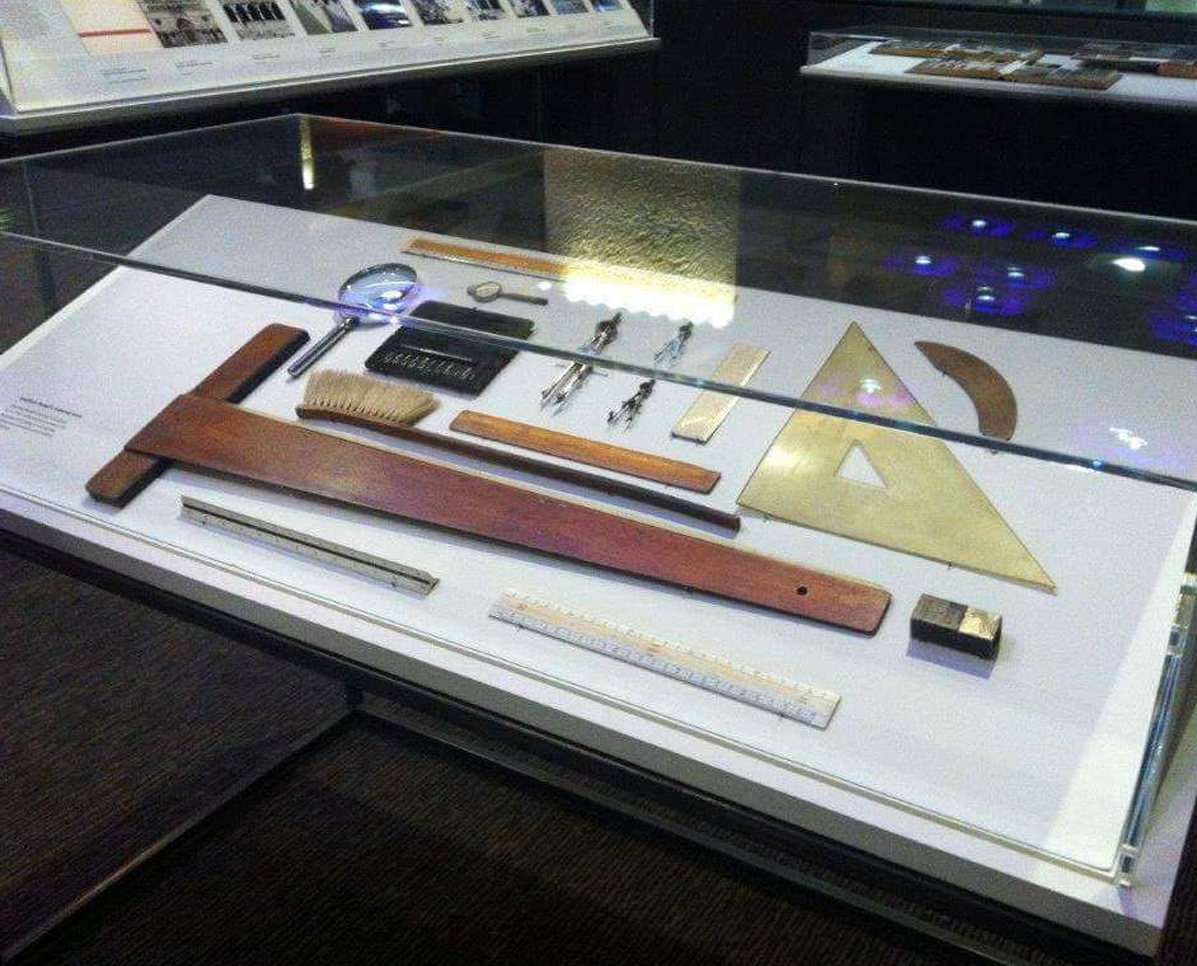
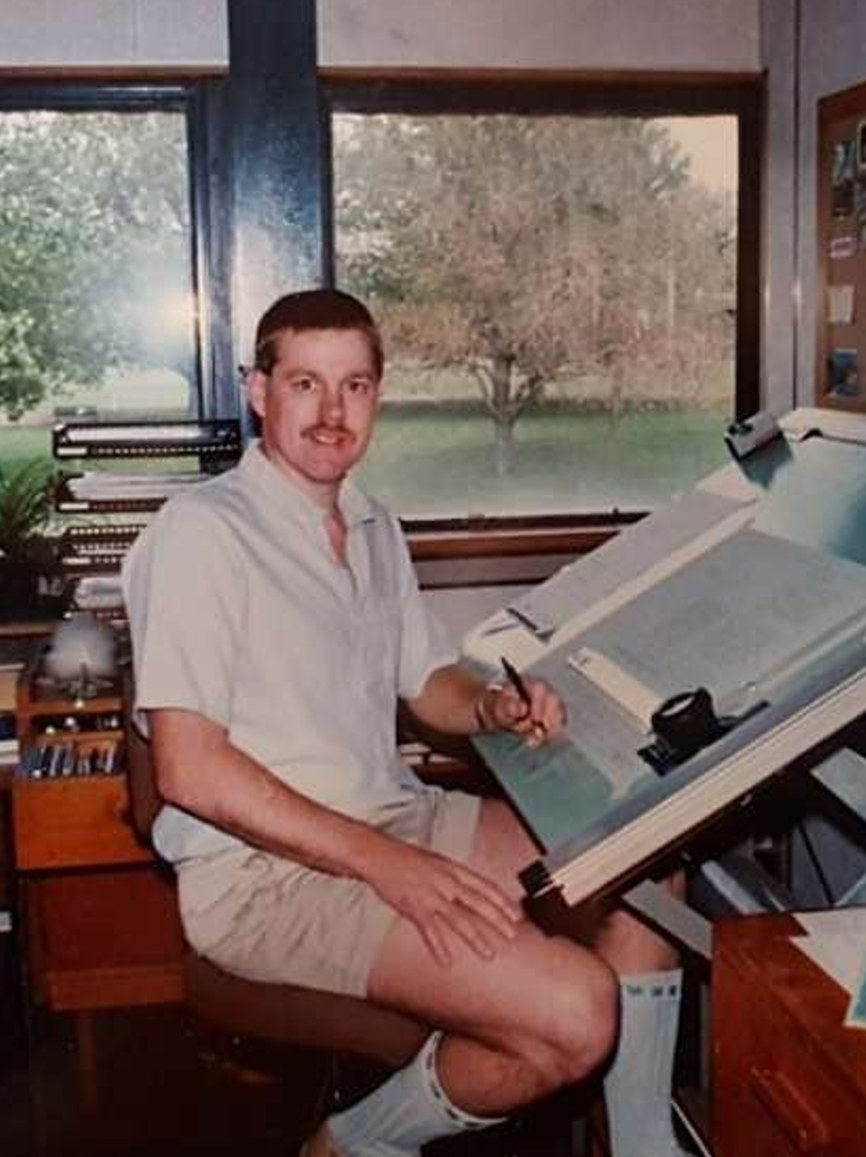
From drawing boards to digital futures, few people embody the arc of our industry quite like Michael Fooy. Michael started his career with a set of drafting tools that now live in the Auckland Museum. He is finishing it by helping teams navigate cloud hosted BIM models, generative tools and the early waves of AI. In between sits half a century of projects, people, and quiet, consistent leadership that has shaped Aotearoa’s built environment, and many of the people working in it.
We sat down with Michael in the final weeks of his incredible 50 years in practice, to hear his amazing stories and wish him well as he starts his next chapter after Architecture.
Finding the colourful creatives
Michael’s journey into architecture began in the mid-1970s in Whangārei. He was finishing sixth form and deciding what might come next. He enjoyed maths, loved the technical side of problem solving, and knew he did not want to return to the family farm.
A visit to the Ministry of Works and Development in Auckland proved pivotal. Walking through the office, he saw surveyors and structural teams focused intently on their drawing boards. Then he reached the architectural team.
“They were flamboyant, they were colourful, and they had samples up the walls and three-dimensional renderings.”
That contrast made an immediate impression.
“I said I would like to join architecture.”
Michael joined as a drafting cadet and spent four years learning his craft in a small team environment. It was hands on, practical training, supported by study through the Wellington TCI Technical Correspondence Institute. He went on site with Clerks of Works, observed inspections and sign offs, and worked on maintenance programmes for schools, hospitals and housing across the country.
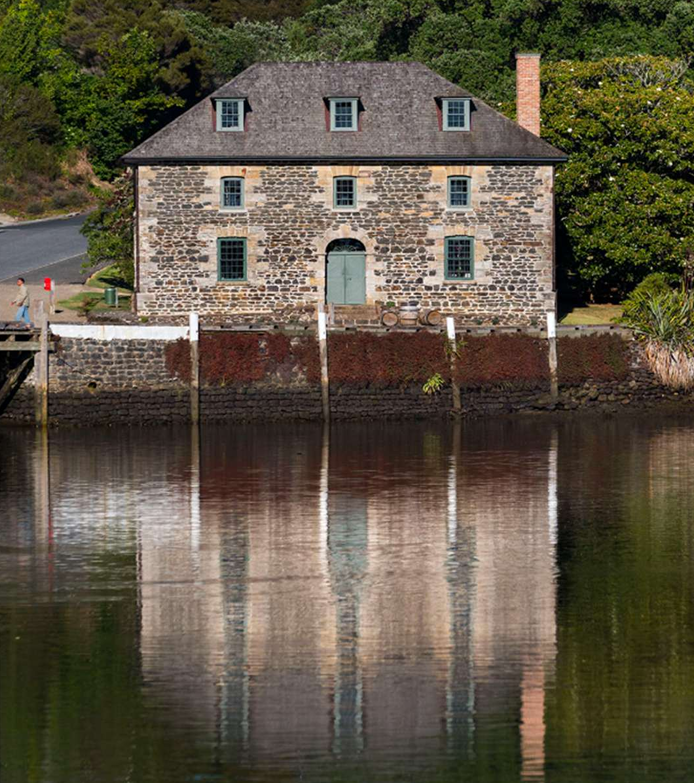
There were early highlights too. Working with the Historic Places Trust, Michael helped detail new shingles, dormer windows and the brick chimney for the Stone Store in the north. It was an early lesson in how careful documentation could preserve history as well as deliver new buildings.
“That was very special. I loved the north.”
Big projects and the people behind them
Michael later moved to Auckland, continuing with the Ministry of Works architectural division. At the time, many of the country’s most significant public buildings were delivered from within a single organisation. Prisons, hospitals, and Auckland Airport were all designed and documented internally. It was a rigorous, standards driven environment, and an exceptional training ground for a young architect.
Then came 1987. An economic shock that reshaped the construction industry, and one Michael could see coming.
“I did not want to wait for a redundancy.”
Michael left the Ministry of Works and Development and briefly joined a building company. It was a short-lived role.
“I was last on, first off. Three months later the company folded.”
But as Michael reflects, one door closing often creates space for another to open, a move that would define the next major chapter of his career.
“I joined JASMAD. I had a special, long career there.”
At JASMAD (now JASMAX), Michael’s project experience expanded rapidly. He worked on major civic and public projects including Britomart, Eden Park, and Auckland City Hospital’s Acute Services Building. These were complex, high-profile buildings delivered during a period of transition from manual drafting through CAD and into early digital workflows.
Two projects stand out most strongly in reflection.
The first was Te Papa Tongarewa. A two-stage design competition win in 1992 led to six years of involvement on one of the most complex and symbolically important projects in the country. More than twelve thousand drawings were produced, combining hand drawn documentation with early CAD workflows. It was an ISO 9000 quality assured project that demanded discipline, consistency, and clarity.
Standing on Cable Street for the first time, seeing the completed building rise above the city, remains a vivid memory.
“I remember standing there thinking wow, that is huge.”
The second was the Majestic Centre in Wellington. A complex tower and podium project delivered on time and on budget, reinforcing the importance of collaboration, trust, and shared responsibility across large teams.
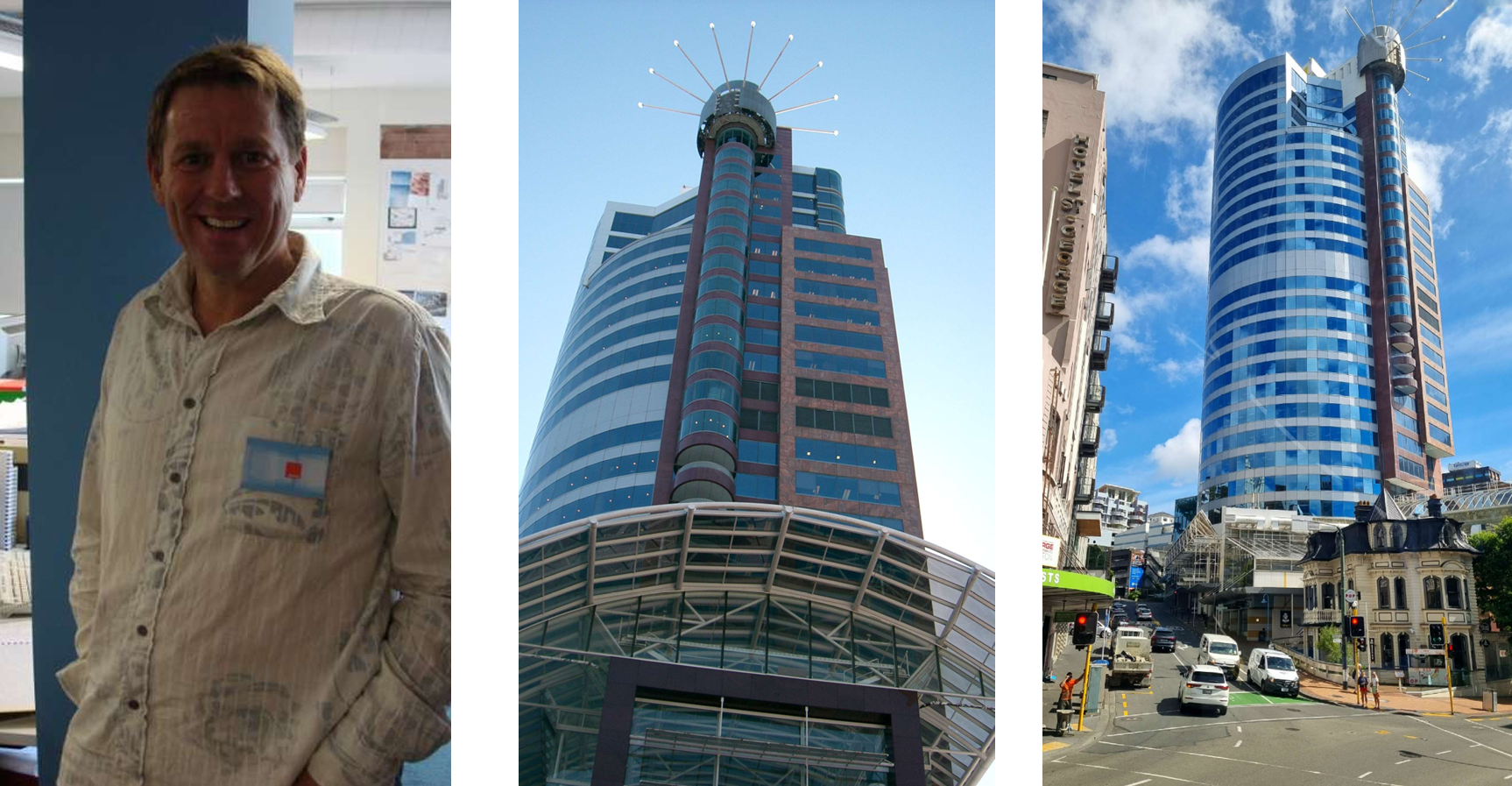
Majestic Centre, Wellington
Looking back, Michael is clear that while the buildings mattered, the people mattered more.
“It is always about the people.”
He speaks warmly of collaborators and mentors from that time. People like Pip Cheshire, Pete Bossley, John Sutherland and Ivan Mercep whose influence extended beyond projects to the way work was done.
“I was lucky to work alongside them.”
A bold decision at 50
Turning 50 became another inflection point. Colleagues were returning from overseas with stories of large-scale projects and new ways of working. Michael realised that if he went, even briefly, it could open an entirely new chapter.
“I really had not travelled much when I was younger.”
Support through the Ivan Mercep Development Fund allowed Michael to travel and study architecture, reconnecting with family roots in the Netherlands. Walking through Old Amsterdam left a lasting impression. The brickwork, the detailing, and the way centuries of architecture sat comfortably alongside contemporary design deeply resonated with him.
“The Netherlands was fantastic. The architecture was great, but it was also the way the cities worked.”
Not long after, Michael accepted a role in the Middle East.
“I packed up, went over, and never looked back.”
What followed was a decade working on projects at a scale rarely seen in New Zealand. Based in Dubai, Michael supported teams delivering major hospitals, transport infrastructure, and cultural buildings across multiple countries and time zones.
Projects included Al Mafraq, a seven hundred bed hospital in Abu Dhabi, extensive work on the Dubai Metro network, the Blue Waters development, Al Habtoor City and the Dubai Opera House.
“It was another level of scale.”
Michael recalled many mentors he worked with in the Middle East, such as Joe Tabet and George Girgis at Burthill and Shaun Killa at Atkins.
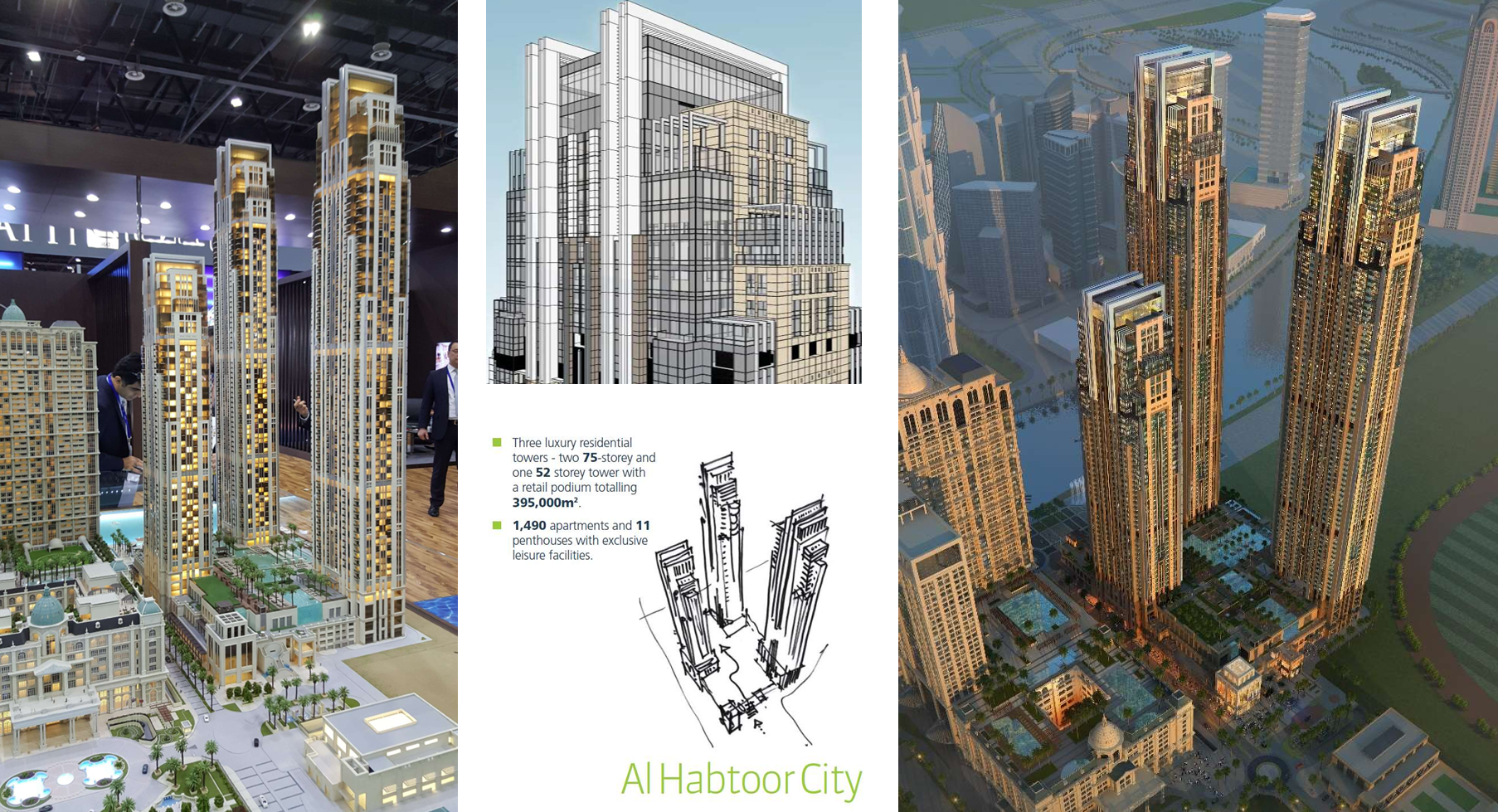
This period coincided with the rise of BIM as a core delivery method. Revit was selected as the primary authoring tool, and globally distributed teams collaborated in real time.
“We were doing then what we now take for granted.”
The work was fast paced and often performance based, requiring constant coordination and adaptability.
“You back yourself, and you treat people with respect.”
Returning home and supporting others
After ten years overseas, Michael returned to New Zealand with his partner Sally. The timing aligned with family calling, grandchildren arriving, and a desire to bring that global experience home. They marked the transition with extended travel through Europe before settling back in Auckland.
Michael joined Warren and Mahoney in a BIM leadership role that allowed him to draw on everything he had learned.
“What I like about support roles is that you support all projects. You get to see all the wonderful designs.”
From health and education to civic and commercial developments, Michael worked quietly behind the scenes helping teams navigate upgrades, cloud platforms, and evolving digital workflows.
“These are public buildings. They come under public criticism, but the architecture is award winning. It stands the test of time.”
In this phase of his career, Michael became known less for the projects he was attached to, and more for the way he supported others through change.
““I love helping people. My goal was always to make everyone better than me.””
A mentor to many
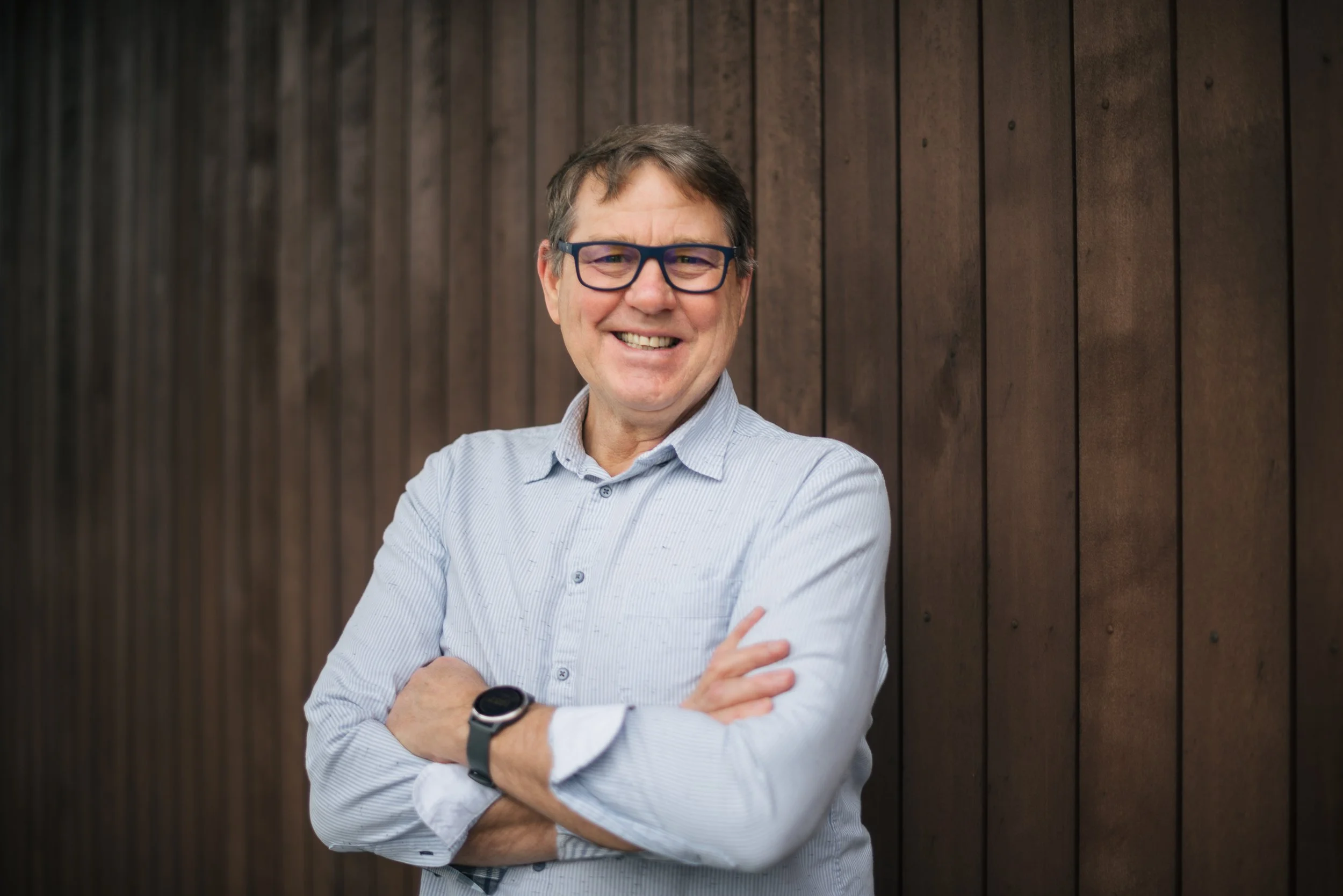
Ask anyone who has worked with Michael and the same themes emerge. He is approachable, generous with his time, and genuinely invested in helping others succeed.
“I love helping people. My goal was always to make everyone better than me.”
That mindset was shaped by the mentors who guided him, particularly Ivan Mercep.
“I worked very closely with Ivan. He had a way of collaborating and celebrating people. He was wonderful.”
Michael also reflects warmly on colleagues like Jason Howden, Richard Archbold (Arch), Mat Brown and Paul Morrison, and the many others who took the time to listen, guide, and encourage.
“It is about showing interest in people and their stories.”
Over time, Michael naturally stepped into that role himself. Supporting colleagues, mentoring younger practitioners, and contributing quietly to user groups and BIM communities, including BIMinNZ.
“Mixing and collaborating with like-minded people in our industry has been very special.”
For Michael, technology has always been secondary to people.
“Technology is just another tool. It is how you use it that matters.”
Looking ahead
As Michael steps away from full time practice, he is looking forward to a different kind of pace.
“I am going to take a breath.”
There are adventures on the horizon. Michael has already climbed Mount Kilimanjaro and trekked in the Himalayas, and there are more walks and long trails still calling, both at home and overseas. Alongside that are quieter plans. Gardening, building things by hand, and spending more time with family and grandchildren.
“I want to enjoy things while I can.”
Michael is clear that this is not about stepping away completely. Architecture, design, and the built environment will always hold his interest.
“I will always follow architecture.”
This next chapter is about choosing how to spend time. Staying connected. Giving back where it feels right.
Looking back across fifty years, Michael’s career tells the story of an industry in constant change. From drawing boards to BIM, from local offices to global collaboration. Through all of it, one thing has remained constant.
The people.
Michael Fooy’s legacy is not only found in the buildings he helped deliver, but in the many people he supported, mentored, and encouraged along the way. His influence will continue to be felt, quietly and consistently, for many years to come.
Go well, Michael, and thank you for the leadership, passion, time, and generosity you have brought to digital transformation, the BIMinNZ community, and architecture. We wish you all the very best as you begin your next chapter.
